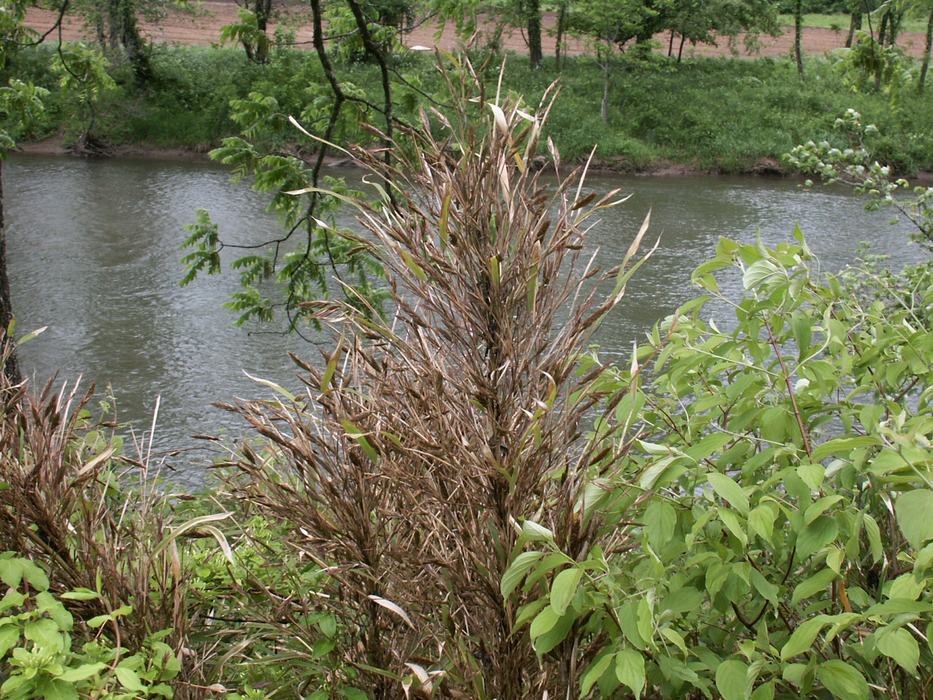
Since Helene impacted North Carolina in 2024 with significant rainfall, flooding, and erosion, there has been a significant increase in interest in rivercane. The species has a variety of benefits to the environment, but it excels at stabilizing streambanks A native bamboo of the region, rivercane is able to protect stream banks from erosion with its thick mat of roots and rhizomes while slowing water velocities with the high density of stems on the surface. But how can you get rivercane on your property?
Purchasing Rivercane from Nurseries
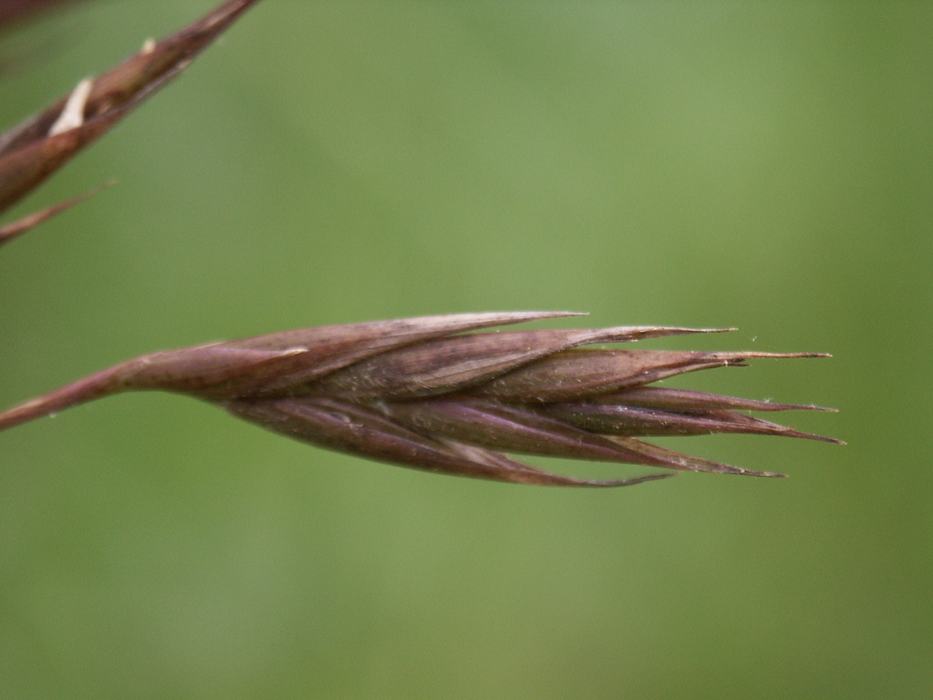
Correct species identification is essential for anyone buying plants online. Buyer beware! Our office has met well meaning property owners who have ordered "native cane" off the internet and planted an Asian species of Arundinaria. Native cane is Arundinaria gigantea and we have a guide for differentiation from non-native bamboos. A large number of nurseries list rivercane on their website, but very few actually have rivercane in stock for purchase. It is always best to verify species personally and buy from a local nursery. We do not recommend shipping cane over large distances.
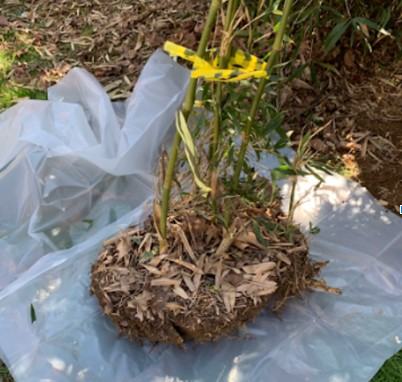
How Can I Transplant Rivercane
Rivercane is easy to transplant and best done during the winter months while the plant is dormant. The two main methods of transplanting cane are digging up clumps and digging up rhizomes. This comprehensive guide details both methods. Before digging, be sure you have obtained permission from the landowner and correctly identify the species.