

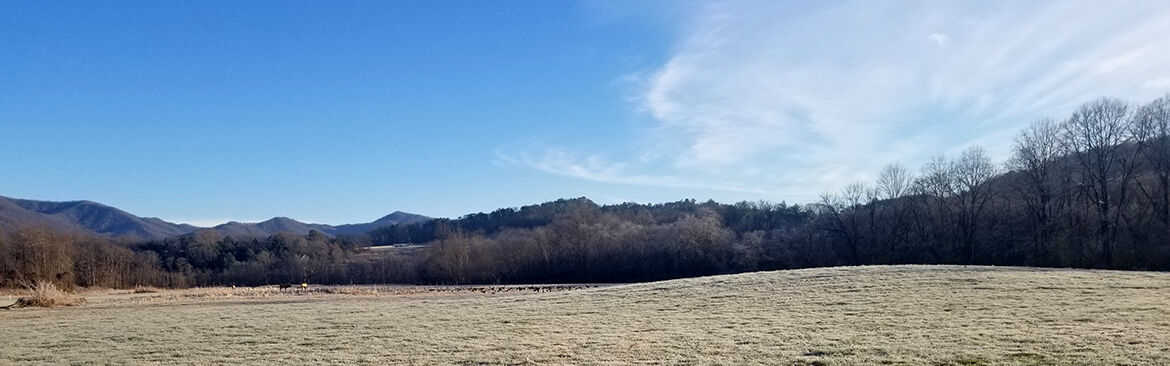

Resources for Rivercane on Your Property
go.ncsu.edu/readext?1113318
en Español / em Português
El inglés es el idioma de control de esta página. En la medida en que haya algún conflicto entre la traducción al inglés y la traducción, el inglés prevalece.
Al hacer clic en el enlace de traducción se activa un servicio de traducción gratuito para convertir la página al español. Al igual que con cualquier traducción por Internet, la conversión no es sensible al contexto y puede que no traduzca el texto en su significado original. NC State Extension no garantiza la exactitud del texto traducido. Por favor, tenga en cuenta que algunas aplicaciones y/o servicios pueden no funcionar como se espera cuando se traducen.
Português
Inglês é o idioma de controle desta página. Na medida que haja algum conflito entre o texto original em Inglês e a tradução, o Inglês prevalece.
Ao clicar no link de tradução, um serviço gratuito de tradução será ativado para converter a página para o Português. Como em qualquer tradução pela internet, a conversão não é sensivel ao contexto e pode não ocorrer a tradução para o significado orginal. O serviço de Extensão da Carolina do Norte (NC State Extension) não garante a exatidão do texto traduzido. Por favor, observe que algumas funções ou serviços podem não funcionar como esperado após a tradução.
English
English is the controlling language of this page. To the extent there is any conflict between the English text and the translation, English controls.
Clicking on the translation link activates a free translation service to convert the page to Spanish. As with any Internet translation, the conversion is not context-sensitive and may not translate the text to its original meaning. NC State Extension does not guarantee the accuracy of the translated text. Please note that some applications and/or services may not function as expected when translated.
Collapse ▲Since Helene impacted North Carolina in 2024 with significant rainfall, flooding, and erosion, there has been a significant increase in interest in rivercane. The species has a variety of benefits to the environment, but it excels at stabilizing streambanks A native bamboo of the region, rivercane is able to protect stream banks from erosion with its thick mat of roots and rhizomes while slowing water velocities with the high density of stems on the surface. But how can you get rivercane on your property?
Purchasing Rivercane from Nurseries
Correct species identification is essential for anyone buying plants online. Buyer beware! Our office has met well meaning property owners who have ordered “native cane” off the internet and planted an Asian species of Arundinaria. Native cane is Arundinaria gigantea and we have a guide for differentiation from non-native bamboos. A large number of nurseries list rivercane on their website, but very few actually have rivercane in stock for purchase. It is always best to verify species personally and buy from a local nursery. We do not recommend shipping cane over large distances.
How Can I Transplant Rivercane
Rivercane is easy to transplant and best done during the winter months while the plant is dormant. The two main methods of transplanting cane are digging up clumps and digging up rhizomes. This comprehensive guide details both methods. Before digging, be sure you have obtained permission from the landowner and correctly identify the species.

This clump of rivercane was dug with a standard shovel to a depth of 10″ being sure to keep the soil clod intact to prevent drying out.
Why Can’t I Plant Rivercane Seeds?
Rivercane produces seeds so infrequently no one knows it’s seeding cycle nor are seeds available for purchase. Rivercane seeds are easy to grow and germinate on moist paper towels. The flowers are a deep purplish burgundy and arrive in the spring. Seeds sometimes follow, but not always. Gently pinch the flowers 3 – 5 weeks after flowering to detect the presence of seeds. Good luck!
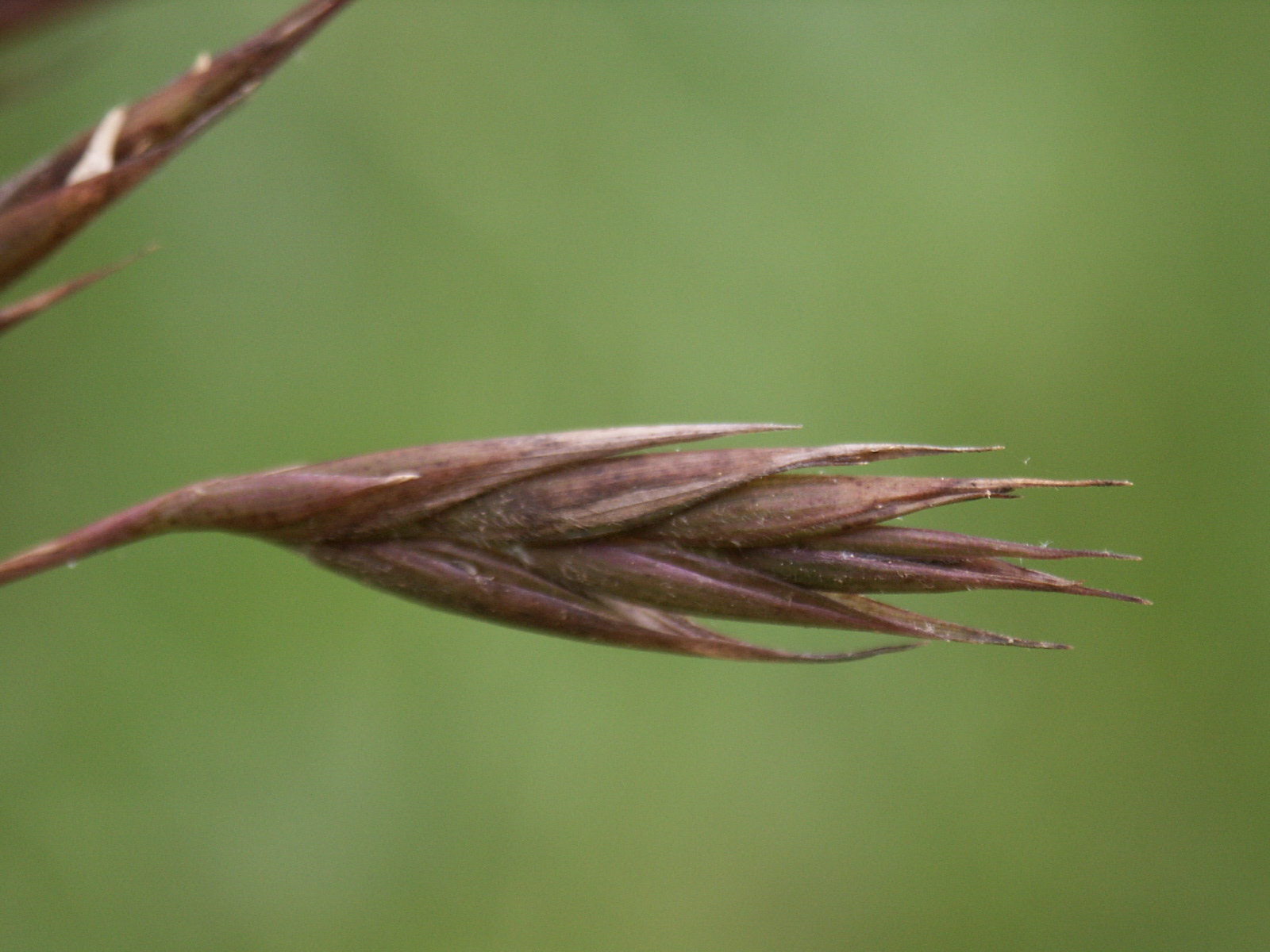
A rivercane flower comprised of perhaps 7 spikelets in the spike.
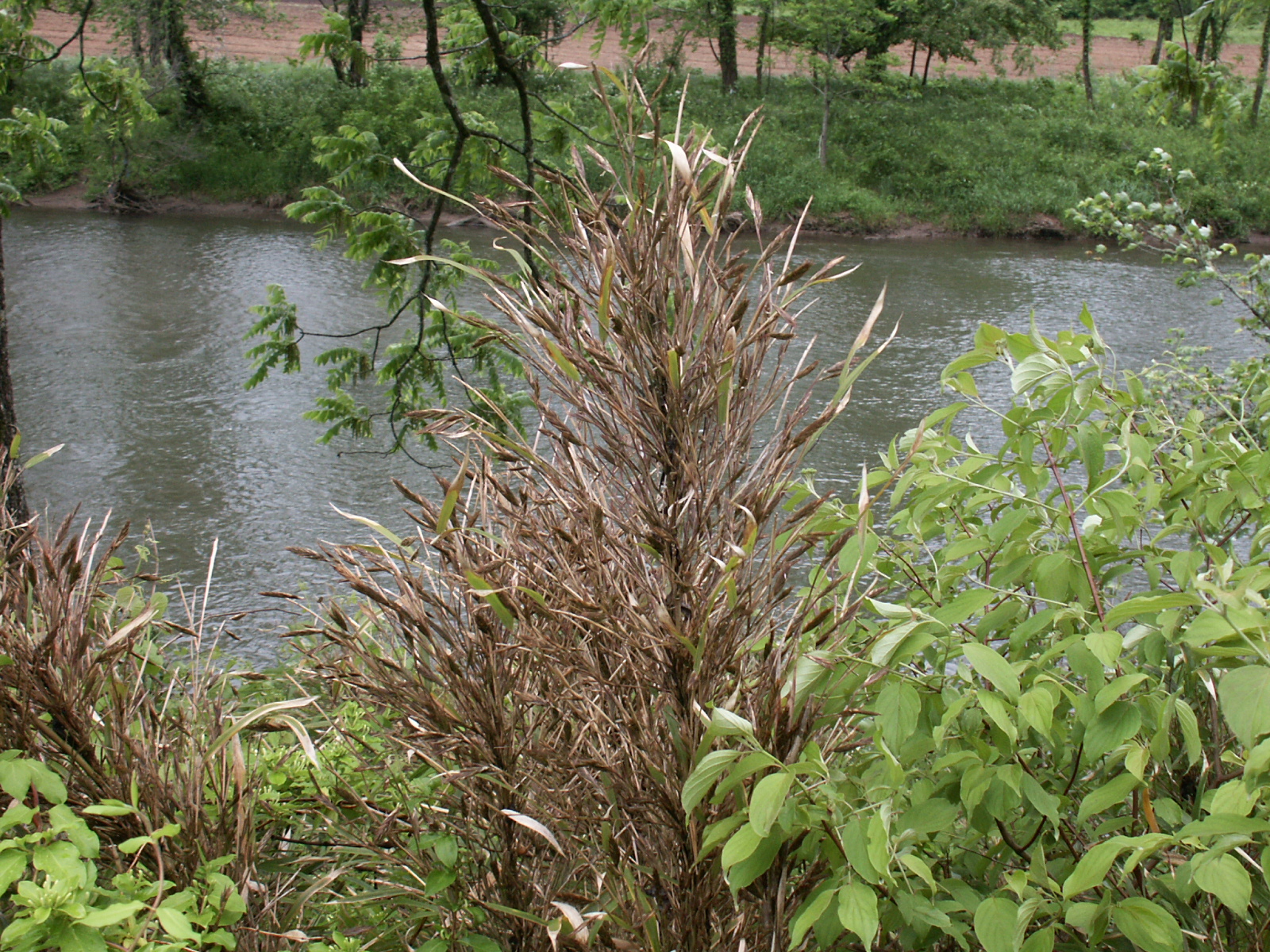
Flowering rivercane is burgundy or brown and seldom produces seeds.